Reduce Muscle Pain With Personalized Movement Support
Orthopedic Evaluation
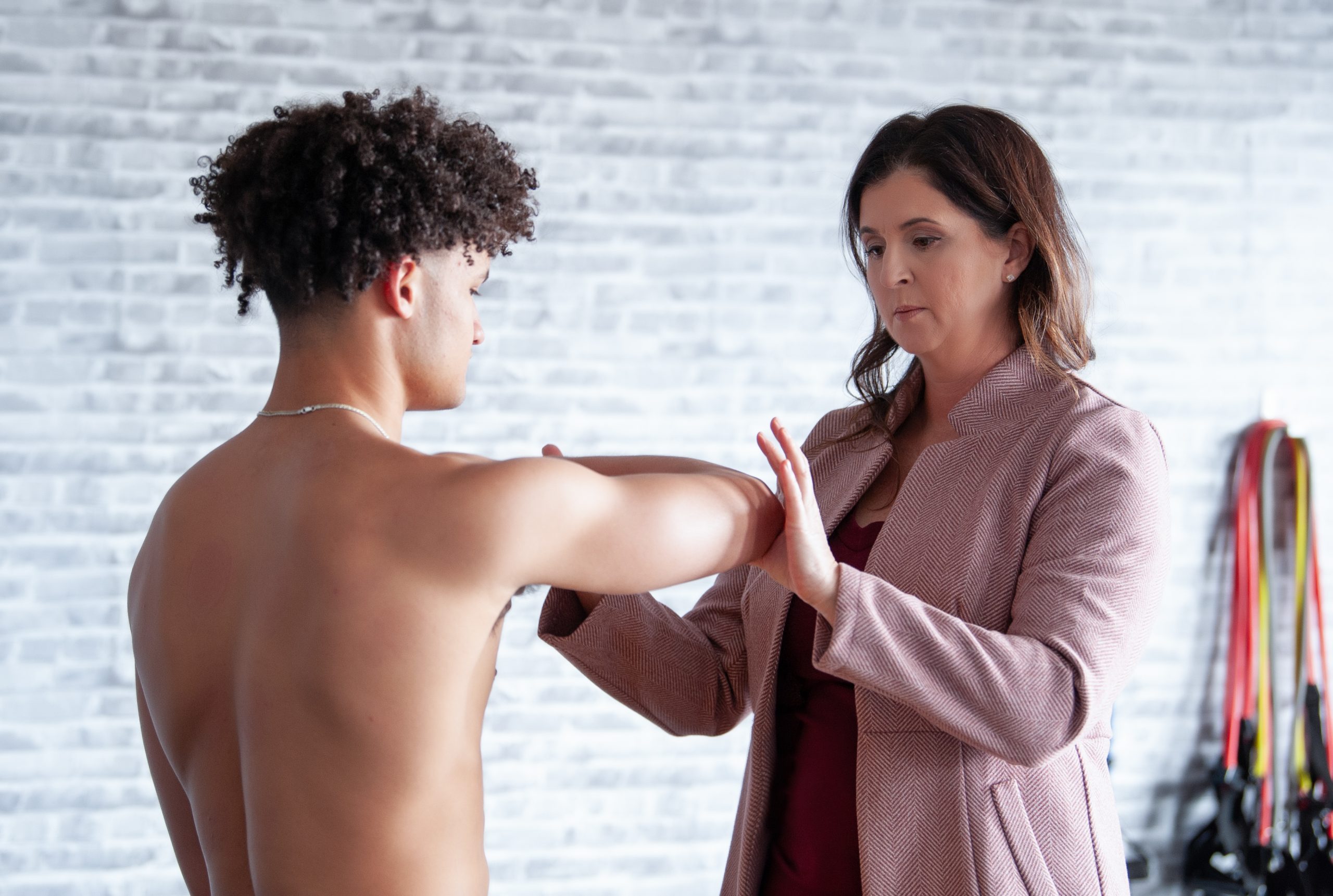
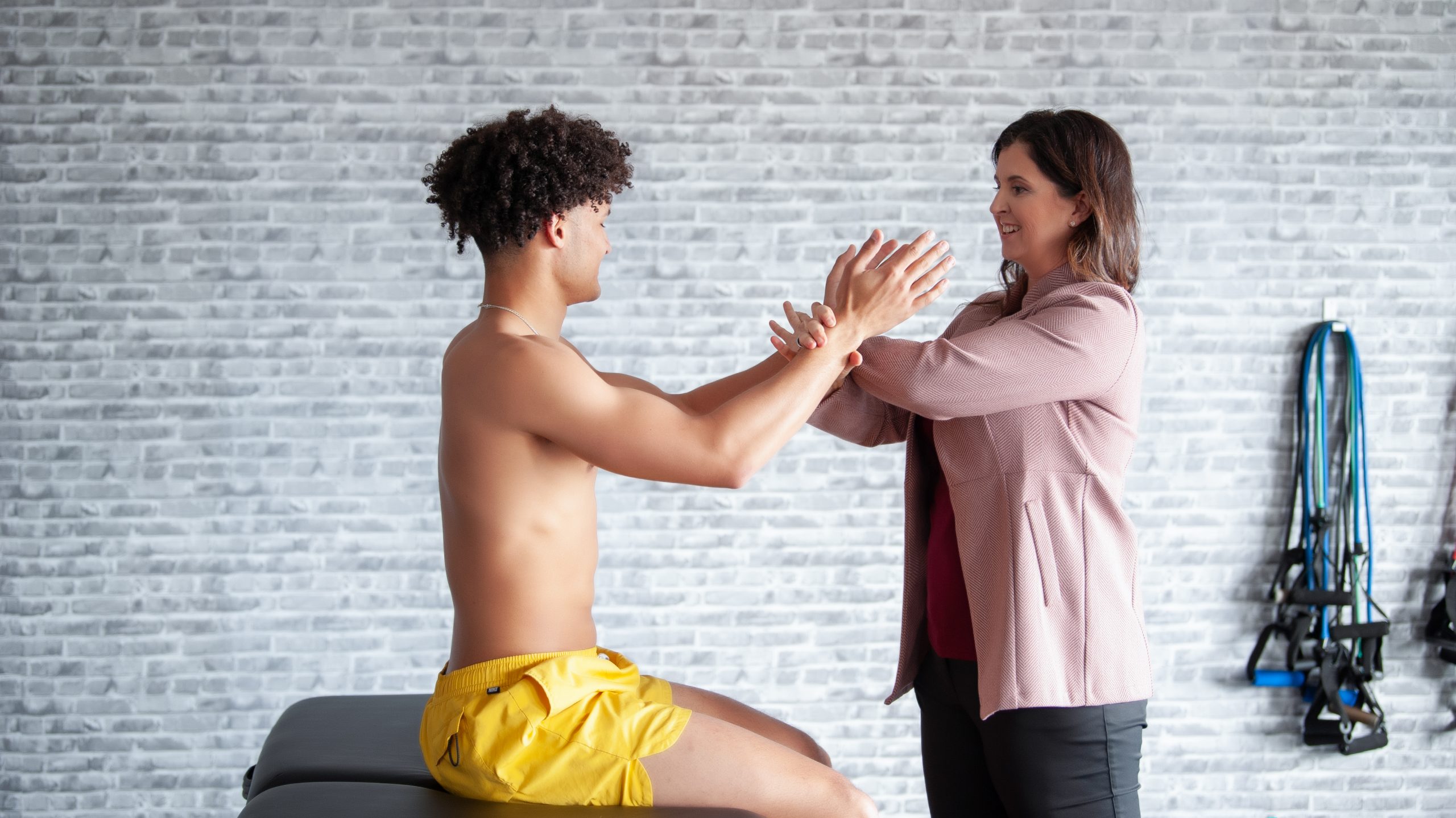
An orthopedic evaluation looks at how your body moves and where pain or limits may be coming from. We assess posture, joint movement, muscle balance, and functional patterns to better understand what your body needs.
This evaluation helps guide:
-
Injury recovery plans
-
Performance training programs
-
Return-to-activity decisions
-
Ongoing movement care
The goal is to identify problem areas early and build a plan that supports long-term function.
Soft Tissue Manipulation
Soft tissue manipulation focuses on muscles, tendons, and connective tissue that may be tight, sore, or restricted. This hands-on care helps reduce muscle tension, improve circulation, and support better movement.
This service is often used for:
-
Muscle tightness and soreness
-
Overuse injuries
-
Work-related strain
-
Sports-related muscle issues
Soft tissue work can help improve comfort, range of motion, and overall movement quality.
Shockwave Therapy (Coming Soon)
Shockwave therapy uses targeted sound waves to stimulate healing in injured or irritated tissue. This technology-based service is commonly used for stubborn pain and areas that have not responded well to rest alone.
It may help with:
-
Tendon and muscle irritation
-
Long-standing pain
-
Reduced blood flow to injured tissue
Shockwave sessions are quick and designed to support the body’s natural healing process.
Electromuscular Stimulation (EMS)
Electromuscular stimulation uses gentle electrical signals to activate muscles. This can help improve muscle control, strength, and recovery.
EMS is often used to:
-
Support muscle activation after injury
-
Improve circulation
-
Reduce muscle fatigue
-
Assist with recovery after training or work
This service can be helpful for both injury recovery and performance support.
Dry Needling
Dry needling targets tight muscle areas, often called trigger points, that can limit movement or cause discomfort. Very thin needles are used to help muscles relax and reset.
This service may help with:
-
Muscle knots
-
Restricted movement
-
Ongoing muscle tension
Dry needling is focused on restoring healthy muscle function.
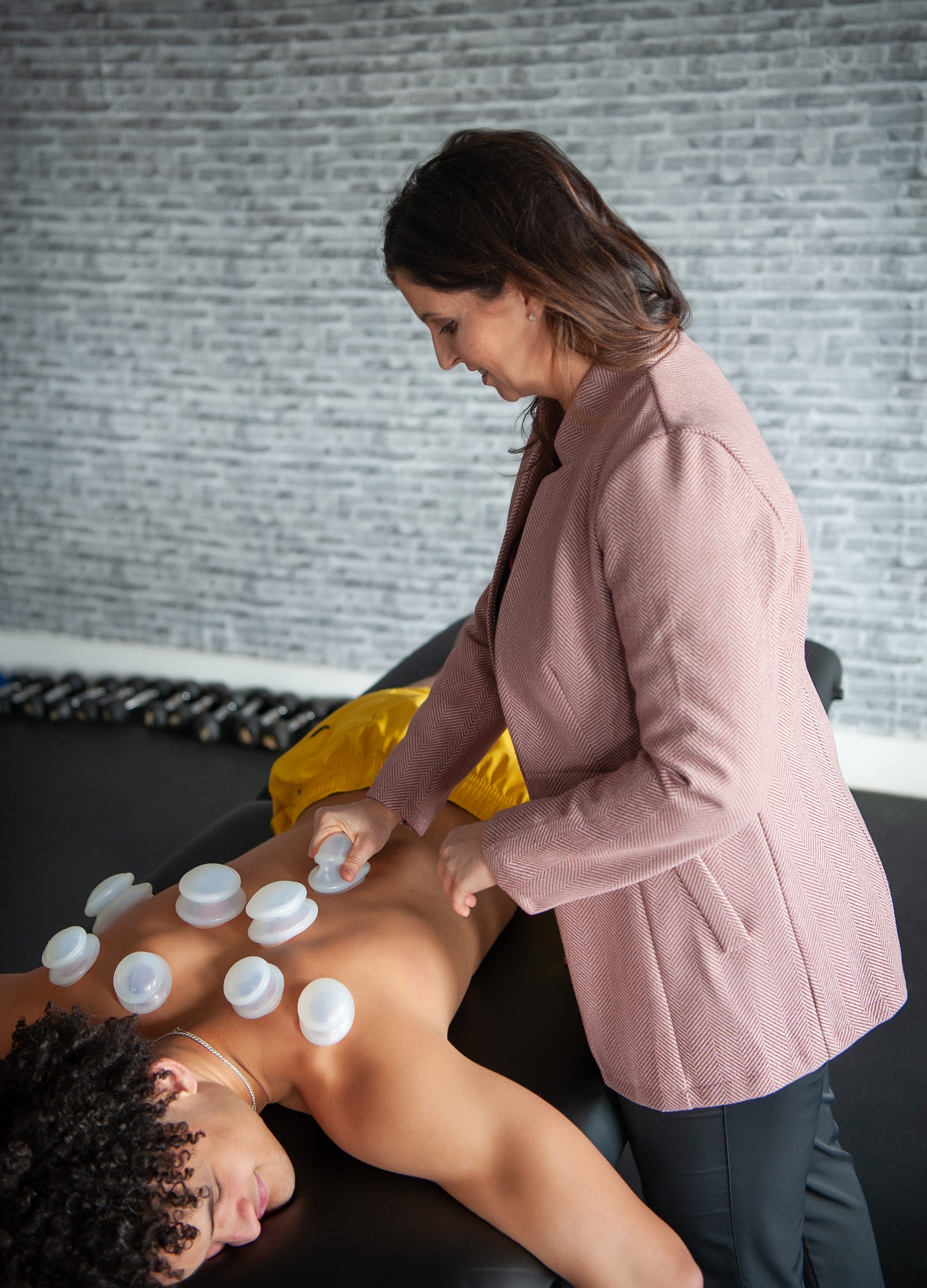
Cupping Therapy
Cupping uses suction cups placed on the skin to help improve circulation and tissue movement. This technique can help reduce tightness and support recovery.
Cupping is often used for:
-
Muscle stiffness
-
Restricted soft tissue
-
Recovery after activity
Temporary skin marks are normal and usually fade within a few days.
Instrument Assisted Soft Tissue Mobilization (IASTM)
Instrument Assisted Soft Tissue Mobilization (IASTM) uses specialized handheld tools to gently work through tight or restricted soft tissue. These tools allow for more precise contact, helping identify and address areas of muscle stiffness, tension, or limited movement.
IASTM is often used for:
-
Muscle tightness and soreness
-
Scar tissue or tissue restrictions
-
Limited range of motion
-
Recovery after physical activity or injury
This technique helps improve circulation, support tissue mobility, and encourage healthy movement patterns. IASTM is commonly combined with stretching and movement work to support long-term comfort and recovery.
Trigger Point Release
Trigger point release focuses on tight muscle spots that can cause pain or limit motion. Gentle, sustained pressure is applied to help the muscle relax.
This technique can help:
-
Reduce referred pain
-
Improve muscle flexibility
-
Support better movement patterns
It is commonly combined with stretching and movement work.
Passive Release Technique
Passive release technique uses hands-on pressure while the muscle stays relaxed. This allows restricted tissue to loosen without active effort from the client.
This approach is helpful for:
-
Highly sensitive or painful areas
-
Early stages of recovery
-
Improving tissue mobility
Passive techniques are often used when active movement is limited.
Therapeutic Ultrasound
Therapeutic ultrasound uses sound waves to deliver deep heat into muscles and soft tissue. This can help reduce stiffness and improve tissue flexibility.
Common benefits include:
-
Increased blood flow
-
Reduced muscle tightness
-
Improved movement comfort
Ultrasound is often used before movement or stretching work to prepare tissues.
Active Release Technique
Active release technique combines hands-on pressure with controlled movement. As the muscle moves, restrictions can be addressed more directly.
This method supports:
-
Improved muscle function
-
Better joint motion
-
Reduced movement restrictions
Active release is commonly used for athletes and active individuals.
Joint Mobilizations
Joint mobilizations are gentle movements applied to joints to help improve motion and comfort. They are designed to support normal joint mechanics.
This service may help with:
-
Stiff or restricted joints
-
Limited range of motion
-
Movement discomfort
Joint mobilizations are often paired with strengthening and mobility exercises.
Stretching & Mobility Work
Stretching and mobility work focuses on improving flexibility and movement control. This may include guided stretching, assisted mobility, or customized routines.
Stretching helps:
-
Reduce muscle tightness
-
Improve posture
-
Support injury prevention
Programs can be tailored for individuals, athletes, or at-home use.